ACTION 02
EDUCATION 5.2

このまちの公教育を
「市民」として
進歩的に、ともにデザインしていこう
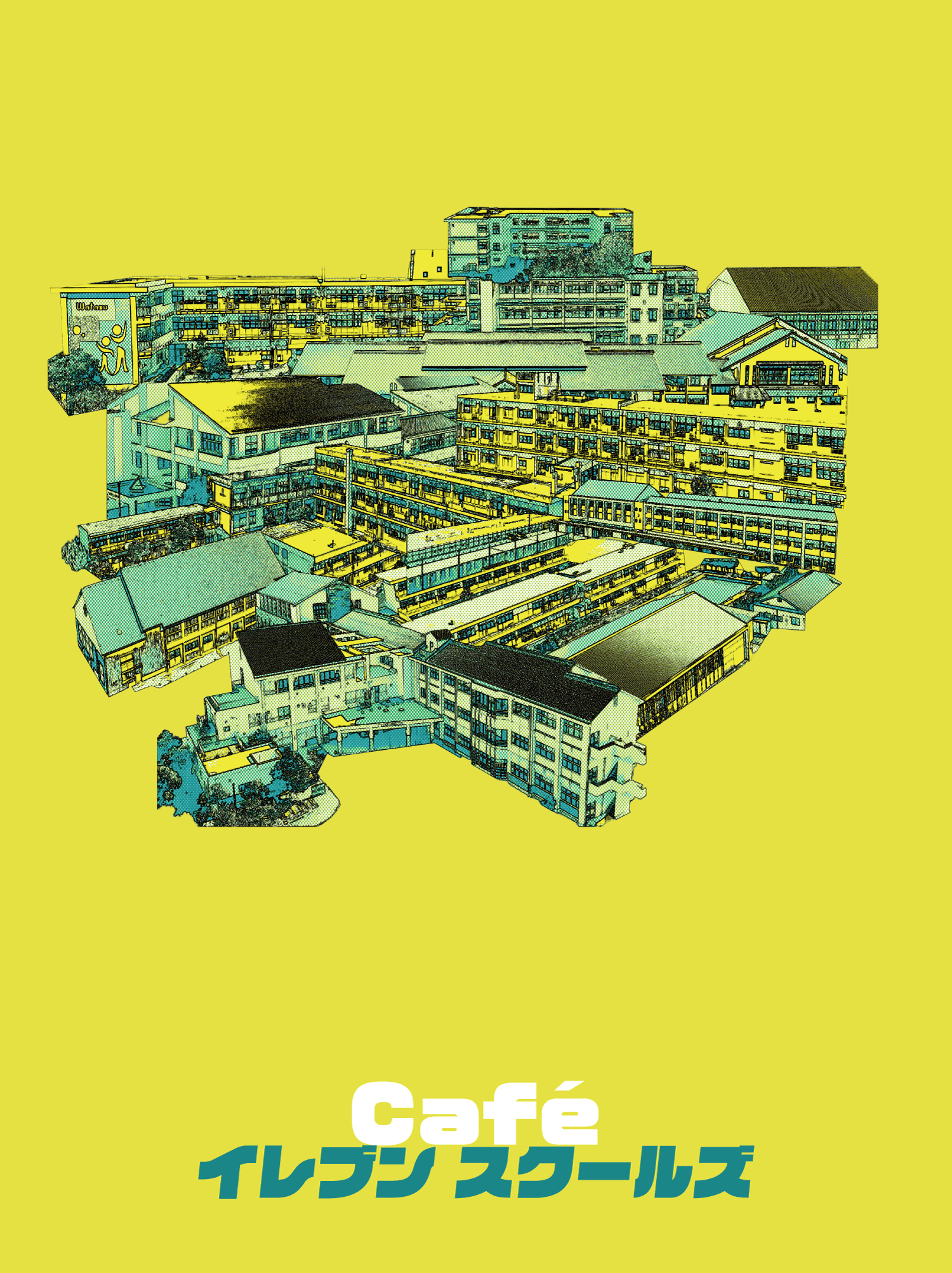
江津市には現在7つの小学校と4つの中学校があります。
島根県政策企画局統計調査課が発表したデータによると、令和6年4月1日〜10月1日現在の江津市の出生は49人でした。 仮に年度内までに100人、そのまま小学校に上がると仮定しても1校あたりの平均は14名以下です。均一になることは考えられないので全児童数、全生徒数が一学年数名以下になる学校も出てきます。
「少人数制ならではの親密な学校生活」と楽観的に考えることもできますが、学校の存続問題の抜本的な解決には至りません。この先、廃校や統合は絶対にあってはならないことでしょうか?そうでないのなら、なにか具体的な政策は考えられるのでしょうか?
公教育である以上、いつか市民が向き合わなければいけない大切な問題であり、しかしそれはすぐにやってくる未来だとも言えます。
公教育は誰が作るものでしょうか。
文科省、学校、行政でしょうか?
地域や保護者ができることはあるのでしょうか?
これからの江津の公教育を進歩的に考える「市民運動」を提唱し、アイデアを出すよりもまず、「対話」を大事に、これからの江津の公教育を考えるコミュニティをつくっていきたいと考えています。
『学校 × 市教委 × 保護者(地域)』がより心地よい関係になることに重きをおき、すべての児童、生徒が「今日も学校が楽しい!」と感じられるような環境づくりのサポートをします。
Gotsu City currently has seven elementary schools and four junior high schools.
According to data released by the Statistics and Research Division of the Shimane Prefecture Policy Planning Bureau, there were 49 births in Gotsu City between April 1 and October 1, 2024. Even if we assume 100 children are born within the fiscal year and all advance to elementary school, the average per school would still be less than 14 students. Since distribution won’t be uniform, some schools will inevitably have only a few students per grade level.
One could optimistically view this as “the intimate school life unique to small class sizes,” but it does not fundamentally solve the issue of school survival.
Is school closure or consolidation absolutely unacceptable? If not, what concrete policies can be considered?
As long as it is public education, this is an important issue citizens must eventually confront. Yet, it could be said this future is arriving sooner than we might expect.
Who shapes public education?
Schools and the administration?
What can communities and parents do?
We propose a “citizen movement” to progressively envision the future of public education in Gotsu. Rather than just generating ideas, we aim to build a community that values “dialogue” to consider tomorrow’s public education.
このまちの公教育を
「市民」として
進歩的に、
ともにデザインしていこう
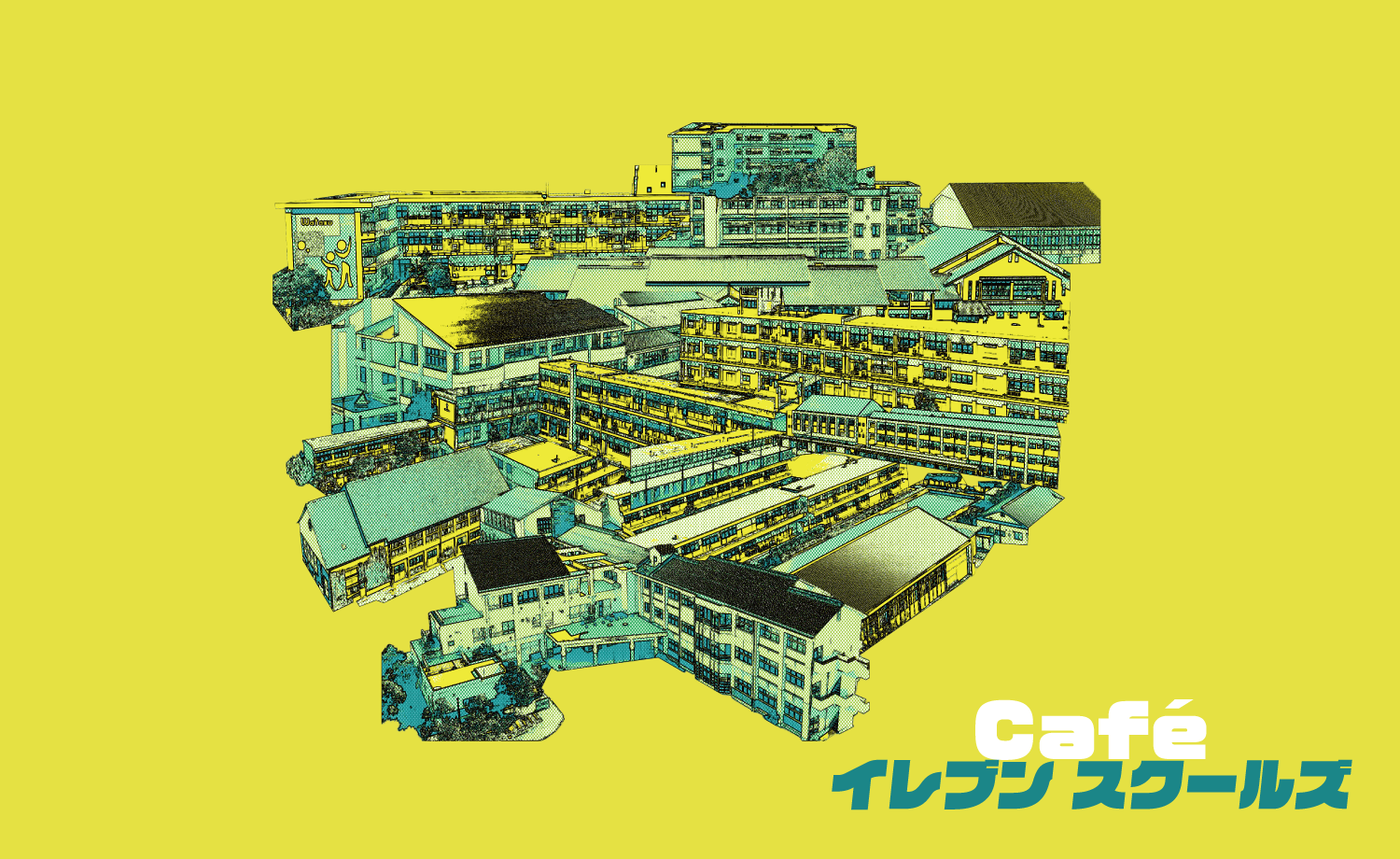
江津市には現在7つの小学校と4つの中学校があります。
島根県政策企画局統計調査課が発表したデータによると、令和6年4月1日〜10月1日現在の江津市の出生は49人でした。 仮に年度内までに100人、そのまま小学校に上がると仮定しても1校あたりの平均は14名以下です。均一になることは考えられないので全児童数、全生徒数が一学年数名以下になる学校も出てきます。
「少人数制ならではの親密な学校生活」と楽観的に考えることもできますが、学校の存続問題の抜本的な解決には至りません。この先、廃校や統合は絶対にあってはならないことでしょうか?そうでないのなら、なにか具体的な政策は考えられるのでしょうか?
公教育である以上、いつか市民が向き合わなければいけない大切な問題であり、しかしそれはすぐにやってくる未来だとも言えます。
公教育は誰が作るものでしょうか。
文科省、学校、行政でしょうか?
地域や保護者ができることはあるのでしょうか?
これからの江津の公教育を進歩的に考える「市民運動」を提唱し、アイデアを出すよりもまず、「対話」を大事に、これからの江津の公教育を考えるコミュニティをつくっていきたいと考えています。
『学校 × 市教委 × 保護者(地域)』がより心地よい関係になることに重きをおき、すべての児童、生徒が「今日も学校が楽しい!」と感じられるような環境づくりのサポートをします。
Gotsu City currently has seven elementary schools and four junior high schools.
According to data released by the Statistics and Research Division of the Shimane Prefecture Policy Planning Bureau, there were 49 births in Gotsu City between April 1 and October 1, 2024. Even if we assume 100 children are born within the fiscal year and all advance to elementary school, the average per school would still be less than 14 students. Since distribution won’t be uniform, some schools will inevitably have only a few students per grade level.
One could optimistically view this as “the intimate school life unique to small class sizes,” but it does not fundamentally solve the issue of school survival.
Is school closure or consolidation absolutely unacceptable? If not, what concrete policies can be considered?
As long as it is public education, this is an important issue citizens must eventually confront. Yet, it could be said this future is arriving sooner than we might expect.
Who shapes public education?
Schools and the administration?
What can communities and parents do?
We propose a “citizen movement” to progressively envision the future of public education in Gotsu. Rather than just generating ideas, we aim to build a community that values “dialogue” to consider tomorrow’s public education.